
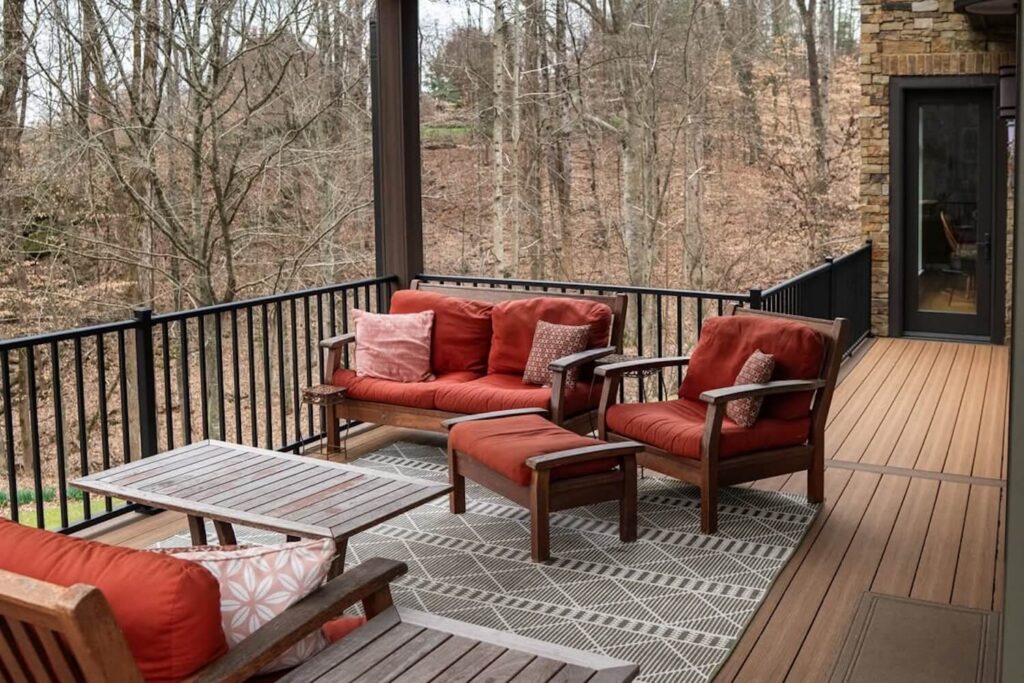
When homeowners begin dreaming of a custom outdoor living space, the conversation almost always starts with a drawing on a napkin and a preliminary budget. The backyard represents a personal sanctuary for weekend gatherings, family dinners, and quiet morning coffees. However, when the initial material quotes arrive, many homeowners experience a moment of sticker shock. Side-by-side, traditional pressure-treated lumber appears significantly less expensive than advanced composite or mineral-based decking alternatives.
At first glance, opting for natural wood seems like the obvious financial win. Pressure-treated wood carries a lower upfront price tag per square foot, making it an attractive choice for budget-conscious planners wanting to maximize their immediate square footage. But a deck is not a short-term consumer purchase; it is a permanent architectural addition exposed 365 days a year to intense sunlight, driving rain, humidity, and freezing winter cycles.
The real question every homeowner should ask is not simply what a deck costs to build today, but what it will cost to own over the next ten to twenty years. When you factor in the relentless tax of annual maintenance, structural repairs, and early replacement cycles, the financial picture shifts dramatically. What appears cheaper on day one often becomes the most expensive structure in your yard over time.
The Initial Composite Price Tag Illusion
To understand why traditional wood decking dominates early planning conversations, one must look at the upfront material and installation costs. Pressure-treated pine or fir lumber is widely available and relatively inexpensive to harvest and process. On average, raw pressure-treated wood decking materials cost between $2.00 and $8.00 per square foot, with total professional installation averaging around $15 to $45 per square foot depending on structural height and design complexity. For a standard 300-square-foot outdoor deck, an initial pressure-treated build might cost between $4,500 and $9,000 upfront.
By contrast, advanced non-wood composite materials require higher manufacturing precision and material science. Mineral-based composite boards, such as those engineered with specialized mineral technology, and capped eco-friendly composites carry higher initial material costs ranging from $8.00 to $18.00 per square foot, bringing total professional installation costs to approximately $30 to $60 per square foot. That same 300-square-foot deck built with mineral composite might require an initial investment between $9,000 and $18,000.
Looking strictly at the initial contract price, wood wins the comparison by a wide margin. This price differential leads many homeowners to believe they are saving thousands of dollars by choosing natural lumber. However, this initial saving is an illusion created by ignoring the ongoing operational costs required to keep a wood deck functional, safe, and visually appealing.
The Hidden Annual Tax of Wood Decking
Unlike interior flooring, a wood deck is in a constant battle with Mother Nature. Organic wood fibers absorb moisture during rains and humidity spikes, causing the boards to swell. When the weather turns dry and hot, the sun bakes the wood, causing it to shrink, crack, and warp. Solar ultraviolet radiation breaks down lignin, the natural polymer that holds wood fibers together, leading to graying, surface splintering, and structural weakening.
To prevent a wood deck from rotting, splitting, or turning into an unsightly safety hazard, homeowners must commit to an aggressive, recurring maintenance routine. This maintenance cycle is neither optional nor cheap:
- Routine Washing and Surface Prep: Wood surfaces collect mold, mildew, pollen, and dirt that trap moisture against the grain. Thorough cleaning requires specialized wood cleaners or pressure washing equipment.
- Sanding and Splinter Mitigation: Over time, raised wood grain creates sharp splinters that threaten bare feet and pets. Every few years, board surfaces and handrails must be sanded smooth.
- Staining and Sealing: Every two to three years, a fresh coat of high-grade water-repellent sealer or translucent stain must be applied. Professional deck staining averages between $1.57 and $4.04 per square foot, costing homeowners between $450 and $1,000 per application for materials and labor.
- Structural Repairs and Fastener Fixes: As wood moves seasonally, screws pull loose, nails pop, and individual boards split or cup. Average minor deck repairs cost between $800 and $2,200 over a decade, covering replacement boards, rusted hardware, and structural reinforcement.
When added together, national data indicate that maintaining a traditional pressure-treated wood deck costs between $450 and $850 annually when hiring professionals, or hundreds of dollars in raw supplies plus dozens of lost weekend hours for DIY homeowners. Over ten years, routine wood deck maintenance accumulates to an astounding $6,700 or more, frequently exceeding the original cost of the wood materials themselves.
What Makes Mineral Composite Different from Wood?
To evaluate the long-term economics accurately, it is essential to understand what separates basic wood-plastic composites from advanced mineral-based composite technology. Traditional first-generation composites mixed recycled plastic with pulverized organic wood flour. While better than raw lumber, those early products could still absorb minor moisture through exposed wood fibers, leading to mold spots or thermal expansion issues.
Modern mineral-based composite decking represents a complete leap forward in material science. Board technology such as Deckorators Voyage utilizes SureStone technology, a patented mineral-based composition that contains zero organic wood fibers. Similarly, non-wood rice hull composites like TruNorth utilize 95% recycled industrial materials and rice hulls to create a completely wood-free board.
Eliminating organic wood content changes the physical properties of the deck surface entirely:
- Zero Moisture Absorption: Because there are no wood fibers to soak up water, mineral composite boards cannot rot, cup, warp, or decay. They can be installed in direct ground contact or submerged around pools and lakes without swelling or degrading.
- Unmatched Thermal Stability: Mineral composite boards experience virtually no thermal expansion or contraction during extreme hot or cold snaps. Joints stay tight, fasteners remain secure, and boards never buckle.
- Barefoot Safety and Comfort: Mineral-based decking features specialized surface texturing that delivers industry-leading slip resistance even when soaking wet. Furthermore, mineral technology helps boards disperse heat more efficiently, staying cooler underfoot than dark concrete or traditional dense plastic composites on hot summer days.
- Zero Chemical Refinishing: Mineral composite boards are capped on all sides with a protective polymer shell that resists fading, scratching, and staining. They never require sanding, painting, staining, or toxic chemical sealants.
The maintenance requirements for a mineral composite deck are straightforward: an occasional rinse with a garden hose, warm water, and mild soap to remove surface dust or pollen. Annual maintenance costs average just $5 to $15 for soap, saving thousands of dollars in chemical stains and professional labor.
The 10-Year and 20-Year Financial Crossover
When you project the total cost of ownership over a 10-year and 20-year timeline, the financial reality becomes crystal clear.
Consider a financial comparison for a standard 300-square-foot residential deck:
| Cost Category | Pressure-Treated Wood Deck | Mineral Composite Deck |
|---|---|---|
| Initial Installation Cost | $4,500 – $9,000 | $9,000 – $18,000 |
| Annual Maintenance (10 Yrs) | $4,500 – $8,500 ($450–$850/yr) | $50 – $150 ($5–$15/yr) |
| Minor Board & Hardware Repairs | $1,200 – $2,500 | $0 (Covered by Warranty) |
| Total 10-Year Cost of Ownership | $10,200 – $20,000+ | $9,050 – $18,150 |
| Lifespan Expectancy | 10 to 15 Years (Requires Rebuild) | 25 to 50+ Years |
Around year five, the financial “crossover point” occurs. The accumulated expenses of professional staining, power washing, sealant purchases, and board repairs offset the original upfront savings of wood. By year ten, the total out-of-pocket expenditure for a pressure-treated wood deck matches or exceeds the cost of a luxury mineral composite build.
The financial gap widens even further between years ten and fifteen. At this milestone, even well-maintained pressure-treated wood decks reach the end of their structural life. Sunlight and moisture fatigue cause widespread internal cracking, joist decay, and fastener failure, forcing the homeowner to pay another $8,000 to $15,000 for a complete replacement.
Meanwhile, a mineral composite deck enters its second decade looking almost identical to the day it was installed. Backed by manufacturer structural warranties extending up to 50 years, along with 25-year stain and fade guarantees, mineral composite continues delivering daily enjoyment with zero financial strain.
Structural Longevity: What Lies Beneath the Surface
A deck’s total lifespan is not determined solely by the surface boards you step on; it depends equally on the strength of the hidden framing skeleton underneath. Installing a 50-year mineral composite board on top of a low-grade, moisture-heavy wood frame is a recipe for premature failure.
To ensure the substructure lasts as long as the premium surface, high-performance construction relies on advanced framing standards:
- Kiln-Dried After Treatment (KDAT) Lumber: Standard pressure-treated framing wood is saturated with water-based preservatives during treatment and sold soaking wet. As it dries out in your yard, it warps, twists, and shrinks, causing surface boards to shift and loosen. KDAT lumber is placed in kilns to remove excess moisture before installation, ensuring the frame stays straight, flat, and stable for decades.
- No Wood Touches Ground: Traditional posts set in concrete footings or damp soil absorb ground moisture through capillary action, causing internal rot at ground level. Modern engineering uses mechanical pile footings or helical steel piers that drive deep into load-bearing soil, anchoring the structure firmly while keeping structural timber elevated safely off the wet ground.
- Joist Protection and Structural Steel: Applying protective joist tape over the top of wood framing prevents standing water from penetrating screw holes. For ultimate longevity, non-wood steel framing systems provide a completely fireproof, rot-proof substructure that will never warp or bow.
Achieving this level of structural performance requires a specialized builder who prioritizes engineering excellence over minimum building codes. In East Tennessee, LeBlanc Decks has established itself over more than twenty years as a custom deck specialist dedicated exclusively to custom outdoor construction. By pairing advanced mineral-based decking with rigorous framing standards, such as KDAT lumber and mechanical footings, they engineer low-maintenance deck systems designed to perform for a lifetime.
The True Value of Time, Safety, and Resale
While spreadsheet financial calculations clearly favor mineral composite over ten to twenty years, the non-financial returns on investment are often what homeowners value most.
1. Reclaiming Your Weekends
Consider the value of your personal time. A pressure-treated wood deck requires 15 to 30 hours of labor every couple of years for stripping, washing, sanding, and staining. Over a decade, that represents hundreds of hours spent wearing rubber gloves and breathing chemical fumes rather than relaxing with family. Mineral composite reduces annual care to a 30-minute soapy wash, returning those weekend hours back to your life.
2. Family Safety and Outdoor Comfort
Natural wood decks eventually check and split, creating dangerous splinters that ruin barefoot summer days. Furthermore, chemical wood treatments contain pesticides and preservatives that many parents prefer not to expose to crawling toddlers or pets. Mineral-based composite surfaces are entirely splinter-free, non-toxic, and slip-resistant around pools or wet stairs.
3. Real Estate Resale Value and Buyer Appeal
When it comes time to sell your home, curb appeal and maintenance expectations play a major role in buyer offer prices. Modern homebuyers actively avoid properties requiring immediate weekend chores or structural repairs. A pristine, low-maintenance composite deck backed by transferable warranties serves as a major selling feature in real estate listings, helping homes sell faster and recouping a significant portion of the initial build investment upon resale.
Working with a process-driven contractor makes bringing this vision to life simple. LeBlanc Decks eliminates the uncertainty of home renovations by providing a transparent, 7-step building experience. Clients receive private access to an online customer portal containing project plans, schedules, material selections, and daily job logs with photo updates posted by the build crew. Qualifying builds meeting their strict build standard carry a 3-year transferable craftsmanship warranty, giving homeowners complete confidence in their investment.
Frequently Asked Questions
Is mineral composite decking really more cost-effective than pressure-treated wood over 10 years?
Yes. While pressure-treated wood is less expensive to install on day one, the accumulated costs of professional staining, sealing, power washing, and minor repairs average $450 to $850 per year. By years five to seven, these ongoing maintenance expenses offset the initial savings, making mineral composite cheaper in total ownership costs over ten years.
What is the expected lifespan of mineral composite vs. natural wood decking?
Traditional pressure-treated wood decks typically last 10 to 15 years before rot, splintering, and structural fatigue require a full rebuild. Premium mineral-based composite decking (such as Deckorators Voyage) is engineered to last 25 to 50+ years and is backed by manufacturer warranties, including 50-year structural and 25-year stain and fade coverage.
Does mineral composite decking get uncomfortably hot under bare feet over time?
Earlier generations of dark plastic composite decking retained significant solar heat. However, modern mineral-based composite boards (SureStone technology) do not absorb heat the same way as traditional PVC or dense plastic. They stay noticeably cooler underfoot and feature enhanced traction technology for barefoot comfort on hot summer afternoons.
Can I replace my rotting wooden deck boards with mineral composite while keeping the lower frame?
Yes, provided your underlying framing is structurally sound, level, and built with proper joist spacing. A professional builder can perform a thorough structural inspection to evaluate your joists, post-to-ground contact, and ledger connections to determine if a surface resurfacing project is safe and viable.
Does installing a low-maintenance composite deck help home resale value?
Yes. Real estate studies show that outdoor living spaces yield strong returns on investment (60% to 83% ROI at resale). Prospective buyers place a high premium on low-maintenance, move-in-ready features that do not require immediate staining, repairs, or weekend labor.
Wood or Composite Decking Conclusion: Making a Wise Investment in Your Home
Choosing between mineral composite and pressure-treated wood decking ultimately comes down to how you view your home and your time. If the primary goal is building an outdoor platform for the lowest immediate out-of-pocket cost, pressure-treated lumber delivers a functional short-term solution.
However, if you view your home as a long-term financial asset and value your free time, mineral composite is decisively the smarter choice. By eliminating the recurring taxes of staining, sealing, splinter repairs, and early replacement, mineral composite delivers a beautiful, safer, and truly low-maintenance outdoor sanctuary that pays financial dividends year after year.
When you are ready to explore low-maintenance decking solutions for your home, partnering with an expert custom builder ensures your project is built once and built right. LeBlanc Decks brings specialized craftsmanship, Certified Elite installer credentials, and a transparent building process to every project across East Tennessee. Schedule your design consultation today, leave the sandpaper and stain brushes behind, and start enjoying the low-maintenance outdoor living space you deserve.